The Aquarium Cleanup Crew: Shrimp, Snails, and Fish That Clean Your Tank
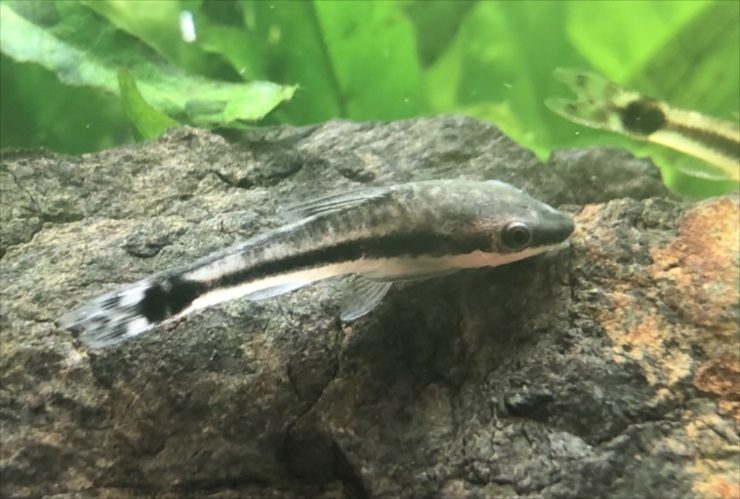
Every aquarium grows algae. You can slow it with regular water changes, but no matter how careful you are, a film of green or brown eventually creeps across the glass and the plants. In Japan we call the animals that graze it down souji-seibutsu (掃除生物) — literally "cleaning creatures," what English-speaking hobbyists call the cleanup crew. Add the right ones and your tank stays clear longer, and you clean less often.
Our maintenance teams in Tokyo keep hundreds of client aquariums running, and a well-chosen cleanup crew is one of the quiet reasons those tanks stay presentable between visits. But there is a catch that trips up most beginners: no single animal eats every kind of algae. A shrimp that devours hair algae will ignore the brown film a snail licks off in seconds. This guide walks through the shrimp, snails, and fish worth keeping, what each one actually eats, and finishes with a matching table so you can pick by the algae you have.
- A cleanup crew reduces algae and eats leftover food, so the tank fouls more slowly — but it never replaces water changes.
- Shrimp handle soft algae on plants; snails scrape film off glass and hardscape; fish cover the substrate and specific tough algae.
- Match the animal to the algae. The table near the end pairs each common algae type with the species that actually eats it.
- Some snails breed explosively. Bladder, pond, and ramshorn snails can overrun a tank fast, so add breeders with care.
- A few aquatic snails and shrimp are regulated or banned in certain US states. Check your state before buying anything unusual.
Why Algae Grows in the First Place
The short answer is dirty water. When you keep animals, they produce waste, and uneaten food breaks down. Beneficial nitrifying bacteria convert that organic waste through ammonia and nitrite into nitrate, the relatively harmless end product of the nitrogen cycle. Nitrate does not break down further on its own. It accumulates, and it is fertilizer for algae.
The only ways to remove nitrate are your filter, live plants that consume it, and water changes. Skip those long enough and nitrate climbs, and an algae bloom is usually the visible result. A cleanup crew helps on the back end by eating the algae that grows and the food scraps that would otherwise foul the water, but it cannot lower nitrate the way a water change does. Think of it as support, not a substitute.
The Shrimp
Shrimp are the foundation of most cleanup crews. They are small, they graze constantly, and they are peaceful enough for nearly any community tank. Their one weakness is obvious: to a larger fish, a shrimp is food. Give them cover in the form of plants or driftwood, and keep them away from anything big enough to eat them.
Amano Shrimp
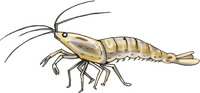
The best all-around algae shrimp, and a native of our home country. Because they are larger than most freshwater shrimp, even a small group clears real work. They are especially good on the soft, stringy algae that human hands cannot clean off plants. A rough guide from our tanks: about 10 in a standard 20-gallon (75 L) planted tank makes visible algae retreat within a couple of weeks.
Two honest cautions. They produce a lot of waste for their size, so overstocking them can foul the water instead of cleaning it. And their appetite for soft plant tissue means they occasionally graze tender new shoots or uproot plants that have not rooted yet. For the full care picture, see our complete Amano shrimp care guide.
Cherry Shrimp
Smaller than Amano shrimp, so their cleaning pace is gentler, but they are not picky and graze soft algae and food scraps all day. They lack the Amano's downsides with plants and waste, which makes them easy to add to planted or nano tanks. The reason most US keepers love them is color: red, yellow, blue, and more, breeding true and adding life to the lower levels of the tank. They breed readily in freshwater, so a small group becomes a colony on its own. Give them hiding places, because their size makes them easy prey.
The Snails
Snails specialize where shrimp are weakest: the hard surfaces. They rasp film algae off glass, driftwood, and equipment with a scraping motion, reaching the flat panels and tight corners other animals miss. Their shell makes them tougher than shrimp, though a determined puffer or loach can still crack one, so watch tank mates.
The important split among snails is how they reproduce, so we have grouped them accordingly.
Snails That Stay in Check
Nerite Snail
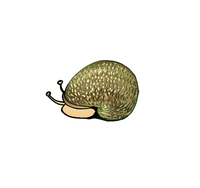
The single most popular cleanup snail in the US, and for good reason. Nerites graze glass and hardscape tirelessly and eat a broad range of film algae. Their great advantage is that they will not breed in freshwater. Females may leave small white egg capsules on hard surfaces, but the larvae need brackish or salt water to develop, so your tank will never be overrun. The one habit to plan for is escaping: nerites climb, so keep the tank covered. If one lands upside down on the substrate, it may not right itself, so flip any you find on their backs.
Mystery Snail
A large, colorful snail popular in the US as both cleaner and display animal, available in gold, blue, ivory, and more. Mystery snails graze algae and mop up leftover food and dead plant material. They lay eggs above the waterline in clumps, so control is simple: remove the egg clutches if you do not want more. One caution specific to the US: Pomacea apple snails are federally restricted and banned in some states because certain species are invasive. The bridgesii mystery snail is the widely traded, generally legal one, but confirm the species and your state rules before buying.
Snails That Can Overrun a Tank
Ramshorn Snail
An active and genuinely capable algae eater that works the glass and even grazes algae off plant leaves. The catch is reproduction: ramshorns lay eggs on the glass and breed quickly, so a couple can become a swarm in weeks. Population tracks food, so a lightly fed tank stays manageable while an overfed one does not. They come in attractive colors, red, pink, blue, and hobbyists who want a controlled colony often enjoy them. Just go in with your eyes open.
Bladder and Pond Snails
These are the small snails that arrive uninvited on new plants, and they are Japan's Tanishi (タニシ) equivalents in the trade. They are effective, hardy grazers that also clean up decaying matter, and outdoors they even help clear green water. But indoors, in a fed tank, they breed relentlessly. Many keepers never buy them on purpose and simply manage the hitchhikers by controlling how much they feed. If your tank is overrun, the fix is almost always less food, not more snails.
The Fish
Some fish earn their place on the cleanup crew, working the substrate, the surface film, or specific stubborn algae that shrimp and snails leave behind. Match the fish to the job.
Otocinclus
A tiny, peaceful suckermouth catfish that clings to glass and driftwood and grazes brown diatom film and green spot algae, without ever damaging plants. The one warning is starvation: otos eat almost nothing but algae, so a spotless tank can leave them without food. If you keep them long term, train them onto sinking wafers or blanched vegetables like zucchini or spinach so they have a backup. Keep them in a small group.
Siamese Algae Eater
The reason keepers seek this fish out is black beard algae, the tough black tufts that few animals will touch. A true SAE eats it. Two things to know. First, they grow territorial with age, so one or two in a 20-gallon (75 L) tank is plenty. Second, they are accomplished jumpers, so keep the tank covered. They live near the bottom and can pester bottom dwellers like corydoras, so choose tank mates with that in mind.
Corydoras Catfish
An honest note: corydoras are not algae eaters. What they do brilliantly is patrol the bottom for food that upper fish let fall, keeping the substrate clean. With more than a hundred species, most peaceful, affordable, and endlessly collectible, they are one of the most enjoyable additions to a community tank. Since sunken scraps alone rarely feed them, offer a sinking food so they stay healthy.
Bristlenose and Other Plecos
Plecos are suckermouth catfish that rasp brown algae off glass and driftwood. A key US caution: the common pleco reaches 18 inches (45 cm) and outgrows almost every home tank, so for algae control choose the small, hardworking bristlenose pleco instead. Even so, larger plecos have strong teeth and may scrape acrylic, damage soft plants, or rasp at the slime coat of tank mates, so consider size and compatibility before adding one.
Fish That Help a Little
A few fish graze algae as a side habit rather than a specialty. Mollies (especially black mollies) pick at hair algae and, usefully, eat the oily biofilm that forms on the water surface. Platies nibble soft young hair algae. Both are hardy livebearers, easy for beginners, and both breed quickly and produce a lot of waste, so avoid overcrowding. Treat all of these as helpers, not as your main algae strategy.
Which Cleanup Crew for Which Algae
Here is the practical part. Identify the algae you actually have, then pick the animal that eats it. Species that are US-legal and widely available are listed first in each row.
| Algae type | What it looks like | Best cleanup crew |
|---|---|---|
| Brown algae (diatoms) | Brown dust on glass and substrate, common in a new tank | Otocinclus, nerite snail, Amano shrimp |
| Green spot / green film | Green coating that spreads over glass and substrate | Nerite snail, bristlenose pleco, Siamese algae eater |
| Black beard algae | Dark tufts on driftwood and filter intakes | Siamese algae eater (less effective once fully grown) |
| Hair algae (green thread) | Green strands that tangle in plants | Amano shrimp, cherry shrimp (may need several) |
| Cyanobacteria (blue-green) | Blue-green slimy sheets with a musty smell | No animal reliably eats it; increase water changes and improve flow first |
Two rows deserve a note. Cyanobacteria is not a true algae and no cleanup animal will fix it, so that one is on you and your water changes. And black beard algae is stubborn enough that even a Siamese algae eater loses interest as it matures, so tackle it while the fish is young.
A Cleanup Crew Is Support, Not a Substitute
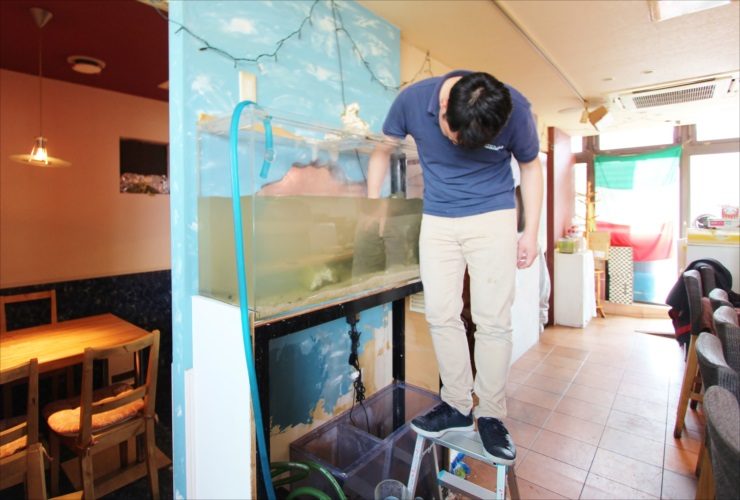
The whole crew, from shrimp to snails to fish, slows how fast algae grows and how fast the water fouls. What it cannot do is maintain the tank for you. Stubborn buildup and dirty substrate still need a siphon and a scraper, filter media still needs rinsing, and nitrate still needs the regular water changes only you can do. Choose animals matched to your algae and your tank size, give the vulnerable ones cover, and you will clean less often and keep a clearer tank. That is the job the cleanup crew does well, and the honest limit of what it does.
FAQ
- Q. Why do I need a cleanup crew at all?
- A. Every tank grows algae, and scrubbing it daily stresses your fish and your patience. A cleanup crew grazes it down naturally between water changes. It is support, not a replacement for maintenance, but it genuinely reduces how often you have to intervene.
- Q. What is the easiest crew for a beginner?
- A. Start with a few Amano shrimp and a couple of nerite snails. Both are hardy and peaceful, the shrimp handle soft algae on plants while the snails clean the glass, and neither will breed out of control in freshwater. Add an otocinclus if you get brown diatom film.
- Q. Can a cleanup crew replace water changes?
- A. No. It slows algae and eats leftover food, but only water changes and filtration remove nitrate, the nutrient algae feeds on. Keep up your regular maintenance and let the crew support it.
- Q. Which snails should I avoid if I do not want dozens of them?
- A. Bladder, pond, and ramshorn snails breed fast in a fed tank and can overrun it. If you want a snail that stays in check, choose nerites, which will not breed in freshwater, or a mystery snail, whose egg clutches are easy to remove.