Betta Tank Mates: What Can Live With a Betta?
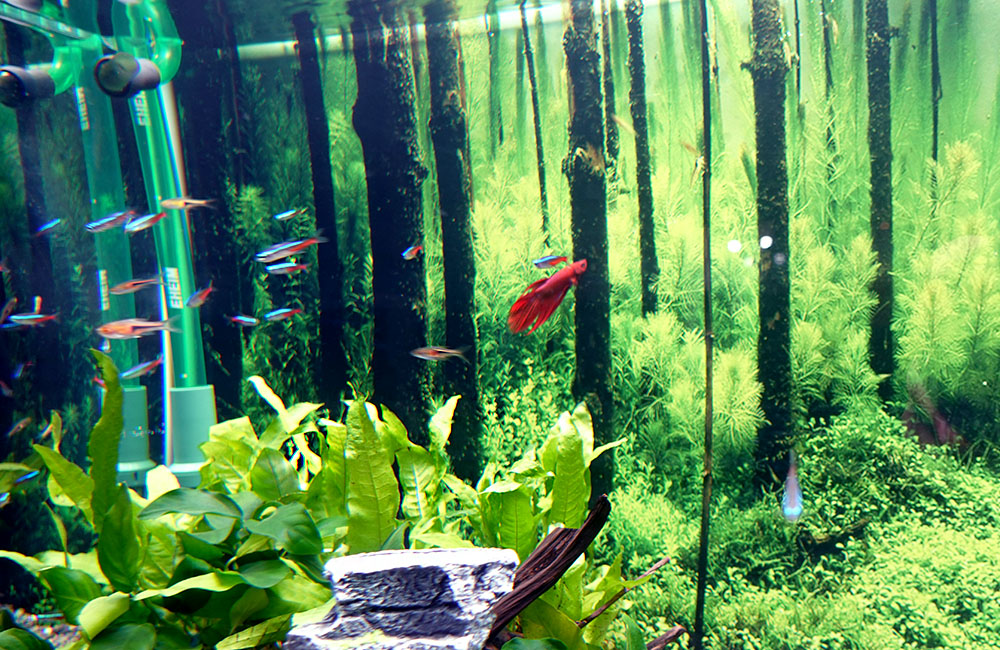
In Japan the betta is called Betta (ベタ), and every keeper here learns the same first rule: it is a fighter. The male's territorial instinct is so strong that in older Japanese hobby circles two males were literally put in a bowl to spar. So when a beginner asks us "what can live with my betta?", the honest starting point is that a betta is a solitary fish by default, and the safest community for a betta is a community of one.
That said, the question deserves a real answer, not a shrug. We keep and maintain hundreds of aquariums across Tokyo, and we have set up community betta tanks that ran peacefully for years. It is possible, but only if you accept the constraints: a big enough tank, the right species, plenty of cover, and a willingness to pull fish out fast if it goes wrong. This guide gives you a clear yes/maybe/no table, the fish to avoid, and the six conditions that make it work.
- A single betta in its own tank is always the safest choice. Everything below is about managing risk, not eliminating it.
- Female bettas are far more likely to succeed in a community than males. Male bettas should be kept alone as a rule.
- Minimum footprint for a community betta tank is roughly 10 gallons (about 40 liters), or a tank at least 18 inches (45 cm) long. Small tanks force conflict.
- Avoid fin-nippers (tiger barbs, guppies), predators, other bettas, and — sadly — shrimp and snails, which most bettas treat as food.
- Good candidates: corydoras, otocinclus, kuhli loach, ember tetra, harlequin rasbora (and neon tetra, but see the note below — it is a touch riskier). Choose calm, fast, or bottom-dwelling fish that stay out of the betta's way.
- Every betta has its own temperament. Watch your individual fish and be ready to separate it at the first sign of trouble.
The One Rule to Remember First
Male bettas are wired to attack. In the wild a male defends a territory around his bubble nest, and in a tank almost anything that enters his line of sight can trigger a charge. This same instinct is behind flaring (フレアリング), the display where a male spreads his fins and gill covers to look bigger. It is beautiful, and it is aggression. A fish built to flare at his own reflection is not a natural community fish.
Females are calmer. They rarely launch unprovoked attacks, and most of the community betta tanks that succeed are built around a female. But calm is relative. A female betta is still a feisty fish by community standards, so even with her you should watch for bullying and be ready to remove her or the target if a fish starts getting harassed.
The Betta Tank Mate Compatibility Table
Here is the core of this guide. Treat "Maybe" as "possible with the six conditions below, and with a backup plan." Nothing here is a guarantee, because temperament varies fish to fish.
| Tank mate | Verdict | Why |
|---|---|---|
| Corydoras | OK | Bottom-dweller, peaceful, stays out of the betta's upper zone. Give it hiding spots. |
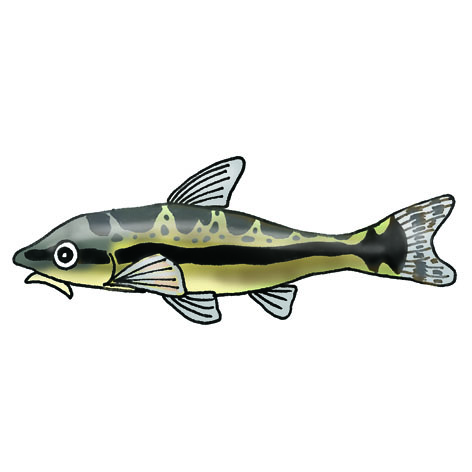
| Otocinclus | OK | Shy algae eater, mostly nocturnal, rarely crosses paths with the betta. A classic betta tank mate. |
| Kuhli loach | OK | Eel-like bottom scavenger that burrows in fine sand. Different swimming zone, low conflict. |
| Ember tetra | Maybe (safest tetra) | Small, calm, mid-water schooler and the tetra we'd try first. Fast enough to avoid a betta and too plain to trigger its aggression. Keep a group of six or more. |
| Neon tetra | Maybe (riskier) | Peaceful and quick, but its bright color and quick darting can trigger a betta's aggression, and a curious school may nip fins. Riskier than ember or harlequin — try those first, and watch closely if you do add neons. |
| Harlequin rasbora | Maybe | Gentle mid-water schooler, similar profile to tetras. Group of six or more; watch fin interest. |
| Guppy | Avoid | Their flowing tails look like a rival betta and invite nipping. Bettas may also nip guppies. |
| Tiger barb | Avoid | Notorious fin-nipper. A betta's long fins are an irresistible target. |
| Another betta (male) | Avoid | Two males will fight, often to the death. Do not house them together, ever. |
| Amano / cherry shrimp | Avoid | Most bettas hunt and eat shrimp. See the shrimp and snails section below. |
| Mystery / nerite snail | Avoid | Bettas peck at snail antennae and soft parts. Risky, and often stressful for both. |
| Predatory fish (larger cichlids, etc.) | Avoid | A slow-swimming betta becomes the prey. Never mix. |
Never Mix Bettas with Predators

Piranhas, snakeheads and other strongly predatory fish are an absolute no. (Note for US readers: several snakehead species are illegal to own or transport under federal law, so this is not a fish you should have anyway.) Predators treat any mouth-sized fish as food, and a betta swims slowly because of its heavy fins, so it cannot escape. Even small predators are a problem: a dwarf pufferfish, for example, will bite a betta's body and shred its fins. Anything with a taste for other fish stays out of the betta tank.
Why Shrimp and Snails Are Risky
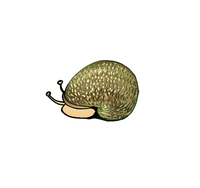
In a peaceful community tank, aquarists love adding a cleanup crew — shrimp for algae, snails for detritus. With a betta, this is where good intentions go wrong. To most bettas, a shrimp is a snack. Amano shrimp and cherry shrimp are exactly the kind of small, slow-moving target a betta will hunt, and losses are common. Snails fare a little better because of their shells, but a determined betta will still peck at the antennae and the soft foot.
If you are set on trying, stack the odds in the shrimp's favor: a large tank, dense cover, and mature animals rather than juveniles. Bury the layout in java moss and floating plants so shrimp have somewhere to disappear. Even then, treat any shrimp you add as expendable. We would not put prized shrimp in a betta tank. For a cleanup crew that actually survives, a separate tank is the honest answer — see our aquarium cleanup crew guide.
The Six Conditions for a Community Betta Tank
If you have decided to try, these are the six things that separate the tanks that work from the tanks that end in torn fins. None of them is hard. All of them matter.
1. Use a tank at least 18 inches (45 cm) long
A betta breathes air at the surface through a special organ called the labyrinth, which is why it survives in tiny cups at the store. That trick works for a betta living alone. It does not make a small tank suitable for a community. Add tank mates and you need room for everyone to have their own space and, crucially, somewhere to flee when the betta puffs up. Our practical floor is a tank at least 18 inches (45 cm) long, which usually means around 10 gallons (about 40 liters) or more. Bigger is genuinely safer here.
2. Introduce the betta behind a divider first
Do not drop a betta straight into an established tank of other fish. Put the betta in a clear breeder box or divider inside the tank for a few days and watch. If it flares and charges at every fish that passes, that betta is telling you it will not tolerate company. Believe it. A calm betta that ignores passing fish through the divider is a much better candidate for release.
3. Skip sharp rocks and jagged driftwood
A male's long fins snag and tear on sharp hardscape. Aquascapers love dramatic branchy driftwood and pointed stone, but in a betta tank those edges are a hazard. Because bettas spend most of their time near the surface, keep tall, sharp decor low and choose smooth shapes. Your betta's fins will thank you.
4. Build in hiding places
When a scuffle does start, cover is what prevents a death. Give every fish somewhere to break line of sight: soft plants, caves, and smooth ceramic shelters with no fin-catching edges. A well-planted tank is not decoration in a betta community, it is safety equipment.
5. Soften the filter flow
Bettas come from slow, still waters. A male hauling those big fins tires quickly in current and can become stressed and sickly in a high-flow tank. The filtration that a normal community tank runs can feel like a river to a betta. Aim the outflow at the glass, add a spray bar, or baffle the filter so the water moves gently.
6. Make sure the betta actually gets fed
This is the condition people forget, and it quietly kills bettas. A betta is slow to notice and slow to eat. Fast little schooling fish will strip the water column before the betta reaches the food. Over weeks, the betta simply loses weight. Our trick: drop a sinking food on the far side of the tank to pull the fast fish away, then immediately drop a floating pellet right in front of the betta. Watch every feeding until you are sure it is eating.
The Best Betta Tank Mates, One by One
These are the species we reach for when a community betta tank is the goal. Remember the standing rule: this works best with a female betta, and even a mellow male is safest kept alone.
Neon Tetra
A brilliant blue-and-red schooler and a community classic. Peaceful, and fast enough to dodge a betta. Keep them in a group of six or more so they school and feel secure rather than dart nervously. One caution: an emboldened school can start following and pestering a betta, and they eat fast, so confirm your betta is still getting its share. Ember tetras and harlequin rasboras fit the same slot if you want a warmer or more copper-toned school.
Otocinclus
The most reliable betta tank mate we know. Otocinclus are small, shy algae eaters that spend the day tucked against wood and glass and do most of their moving after lights-out, exactly when the betta is winding down. They barely cross paths with the betta and are far too meek to steal its food. If you want a genuine cleanup helper in a betta tank, this is the one.
Corydoras
Peaceful armored catfish that patrol the bottom of the tank. Because the betta rules the upper layer and the cories work the floor, their paths rarely cross and fights are uncommon. Occasionally a betta will peck at a cory, so always give them shaded hiding spots. Keep corydoras in a small group; they are social bottom-dwellers.
Kuhli Loach
A slender, eel-like loach in the same bottom-scavenger role as corydoras. Kuhli loaches love to burrow, so give them a thick layer of fine, soft sand to dig into. They share no swimming zone with the betta, which keeps conflict low, and they spend much of the day hidden away. A quiet, low-drama choice.
FAQ
- Q. Can two male bettas ever share a tank?
- A. No. Two males will fight, and the fights are serious. No tank size or amount of cover makes this safe. If you want more than one betta, use a divided tank or separate tanks. This is the one rule with no exceptions.
- Q. Male or female betta for a community tank?
- A. Female. Females are markedly calmer and far more likely to coexist with other fish. Males should be kept alone as a rule, even individuals that seem mellow, because their territorial instinct can switch on without warning.
- Q. Can I keep shrimp with a betta?
- A. Usually not. Most bettas hunt and eat shrimp like Amano and cherry shrimp. If you try anyway, use a large, heavily planted tank, add mature shrimp rather than juveniles, and accept that you may lose them. A separate shrimp tank is the reliable option.
- Q. What tank size do I need for a betta community?
- A. Think of a tank at least 18 inches (45 cm) long, which is usually around 10 gallons (about 40 liters), as your minimum. Smaller tanks force fish into constant contact and turn a manageable betta into an aggressive one. More space lowers the risk for everyone.