20 Easy Aquarium Plants for Beginners (Low-Tech, No CO2)
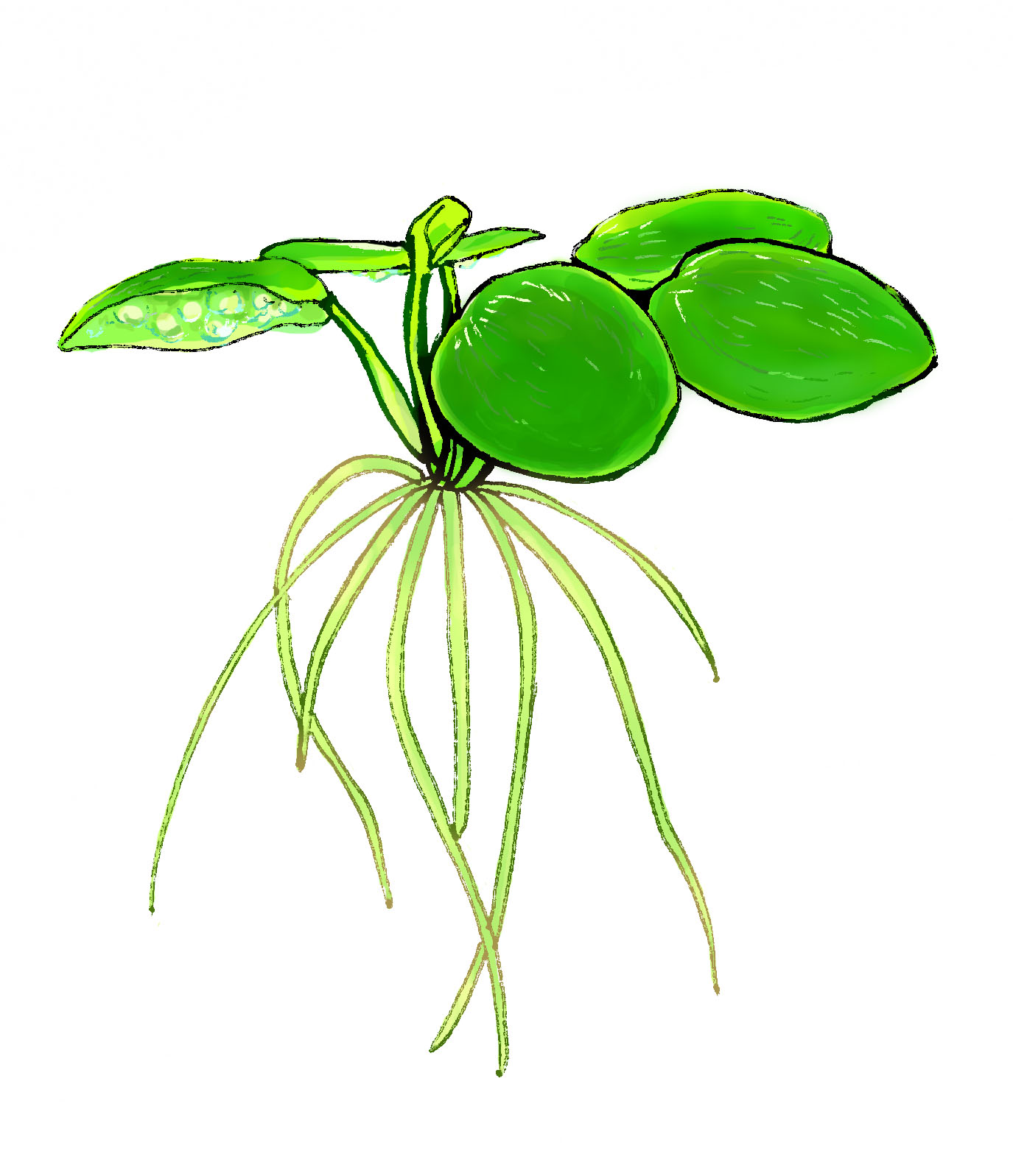
In Japan we call the underwater garden a suisou reiauto (水槽レイアウト), a "tank layout," and the plants are the part beginners overthink most. Walk into any shop and the choices run into the hundreds, so it is easy to stall before you have bought a single stem. This guide narrows the field to twenty plants that stay green while you are still learning.
These are the plants our Tokyo team actually uses. We have installed and maintained more than 5,000 aquariums since 2005, many of them in offices and shops where a plant has to look good and survive whatever the room throws at it, so the list favors toughness over anything exotic. Most of it is low-tech: it grows in an ordinary tank with an ordinary light and no injected CO2, which is exactly where a first planted tank should start. Sizes are in inches (cm), and we keep the original ranking and order rather than reshuffling it.
- Most of these need no CO2. Fifteen of the twenty grow with just a standard light. If you are nervous about pressurized gas, start with those and skip it entirely.
- The easiest three are Anubias, Java fern and hornwort. They forgive low light, missed dosing and beginner water swings better than anything else here.
- Match the plant to its spot. Foreground carpets, midground bushes and tall background stems each want different light, so read the placement note before you plant.
- Attach, do not bury, the epiphytes. Anubias, Java fern and Java moss rot if their rhizome is buried; tie them to wood or rock instead.
- Fast growers double as filters. Hornwort and Anacharis soak up excess nutrients and help a new tank settle, but expect to trim them often.
Before You Plant Anything
Aquarium plants are not decor that survives on water alone. Like fish, each has a preferred temperature and water chemistry, and each pulls nutrients from the water column, the substrate, or both while it photosynthesizes under your light. Reading a plant's needs before you buy saves you the slow disappointment of watching it melt.
Two practical cautions. First, some fish and shrimp graze on plants or uproot them, so check that your stock and your plants get along; a fast-growing species can simply outpace the nibbling. Second, the substrate matters: rooted plants want something they can grip, while the epiphytes on this list want to be tied to hardscape, not planted at all.
The Bulletproof Tier: Numbers 1 to 5
These five are the ones we hand a first-timer. Four of the five need no CO2, most tolerate low light, and none of them will punish an early mistake.
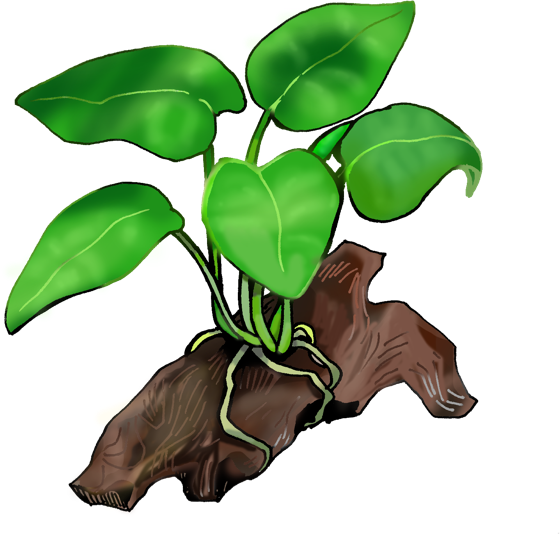 No. 1Anubias nana — anubiasu nana (アヌビアス・ナナ), Anubias barteri var. nana. The default beginner plant, and deservedly so: it grows in a wide range of conditions, needs no strong light, no CO2 in a stocked tank, and shrugs off water as cool as about 64°F (18°C). About 4 in (10 cm) tall with 1.5–2 in (4–5 cm) leaves. It is an epiphyte, so tie it to driftwood or rock rather than burying it, which makes it a natural anchor for a wood-centered layout. A stronger plant light brings out its best, but it does not demand one. Midground · slow growth · no CO2 · low light OK · attach to hardscape · pH 5–7.5 · ★☆☆☆☆.
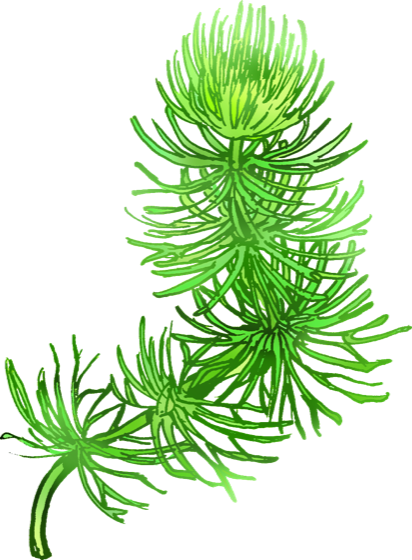 No. 2Hornwort — matsumo (マツモ), Ceratophyllum demersum, known in Japan as a classic goldfish plant. Soft stems and needle leaves that will not scratch fish, which makes it shrimp-safe too. It is a true floating plant with no roots, so it grows from side shoots whether you plant it or just let it drift. Cheap, easy to replace, and a heavy nutrient feeder, so it doubles as a filter and green water preventer in a new tank. Growth is fast enough to overrun a good tank, so trim when it gets leggy. Fine outdoors in a pond or tub as well. Midground or floating · fast growth · no CO2 (nicer with) · pH 5–7.5 · ★☆☆☆☆.
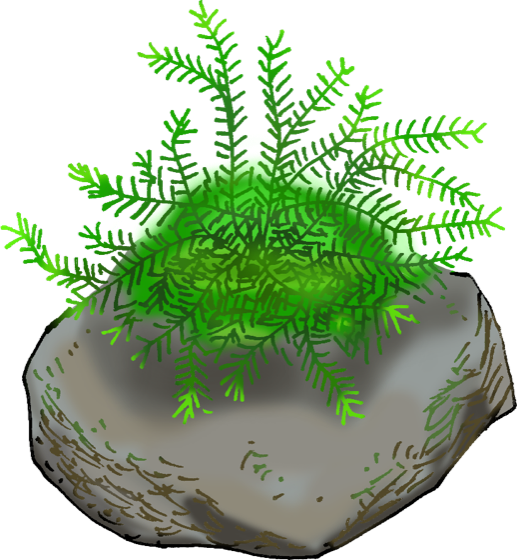 No. 3Java Moss — wiroamosu (ウィローモス), Taxiphyllum barbieri. Strictly a moss, not a plant, but a fixture of aquascaping all the same. It grows without strong light and, like the epiphytes, attaches to wood and rock rather than being planted. In slow-flow corners it can catch algae, so give it an occasional trim. It is the classic shrimp hideout and the go-to surface for carpeting a piece of driftwood. Foreground to midground · slow growth · no CO2 · low light OK · attach to hardscape · pH 5–7 · ★☆☆☆☆.
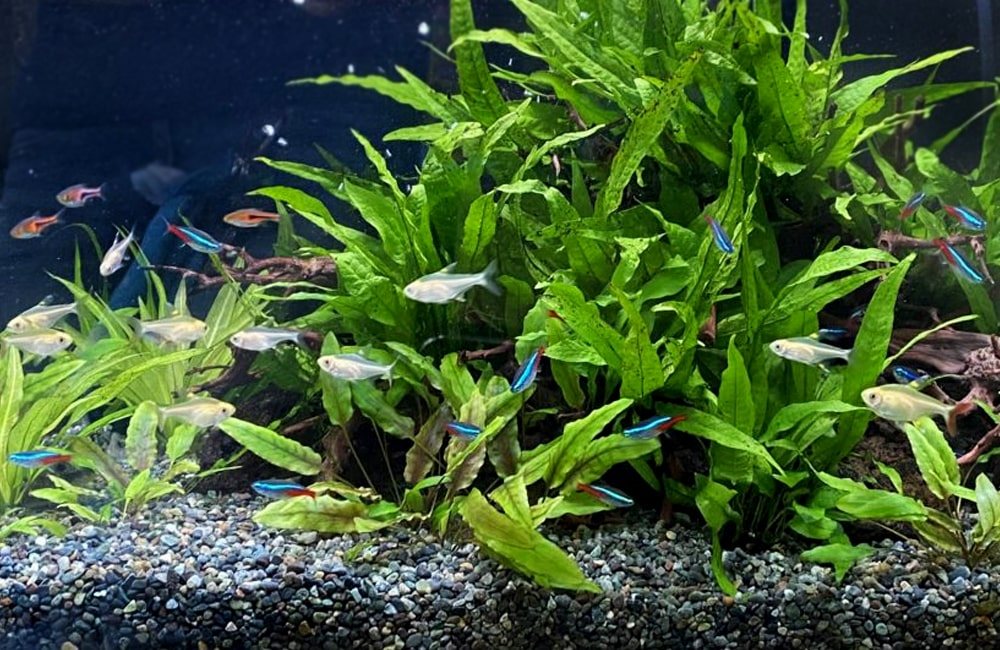
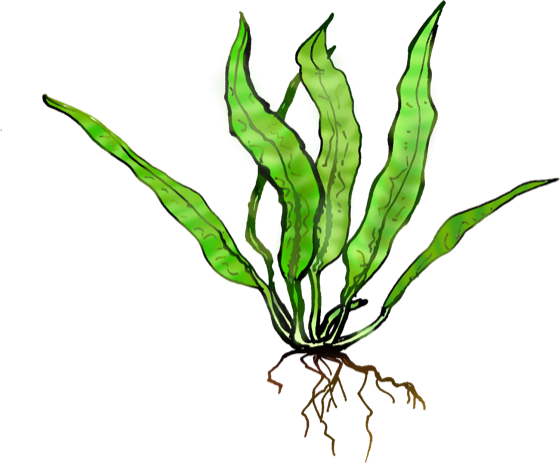 No. 4Java Fern — mikurosoriumu (ミクロソリウム), Microsorum pteropus, a true fern and, like Anubias and moss, a low-light epiphyte that wants no CO2. Usually tied to wood or stone, though it will also grow if you anchor the rhizome above the substrate; never bury the rhizome or it rots. It even does fine over plain aquarium gravel, which widens where you can use it. A forgiving, layout-friendly plant that earns its high place. Midground to background · slow growth · no CO2 · low light OK · attach, never bury rhizome · pH 5–7.5 · ★☆☆☆☆.
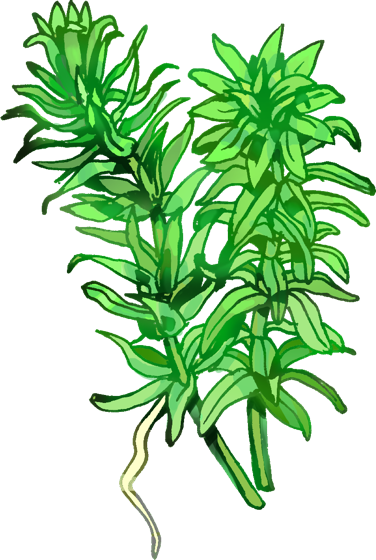 No. 5Anacharis — anakarisu (アナカリス), Egeria densa, another goldfish-and-medaka staple like hornwort. It is hardy enough to grow wild in Japanese rivers and lakes, so it takes cool water and outdoor tubs in stride, and unlike hornwort it usually holds together even with some chlorine in the water. Tough, fast, and productive without added fertilizer. A caution for US keepers, though: Egeria densa is a regulated invasive species in several states, so buy locally, keep it contained, and never release it or toss trimmings outdoors. Midground to background · fast growth · no CO2 · pH 6–7.5 · ★☆☆☆☆.
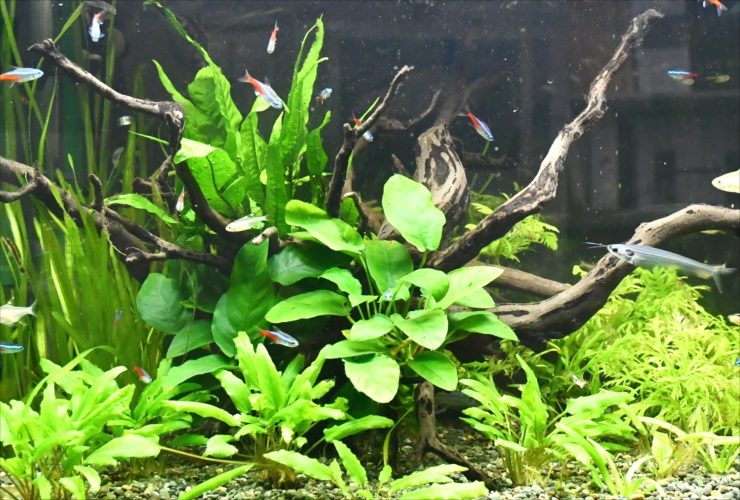
Rooted Plants and Easy Stems: Numbers 6 to 13
This middle stretch is where a tank starts to look planted: tape-leaf background plants, a rosette centerpiece, and a run of fast, forgiving stems. Almost all of it is still no-CO2.
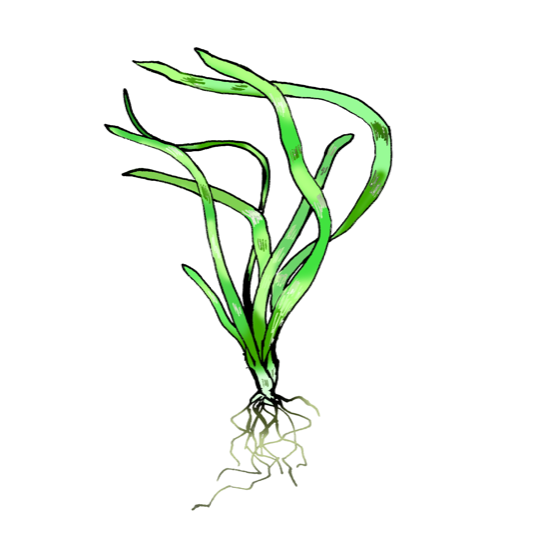 No. 6Vallisneria spiralis — barisuneria supirarisu (バリスネリア・スピラリス), sold in the US as jungle val or straight vallisneria. Long ribbon leaves that give a tank real presence. It will live in a small tank, but it grows to 24–31 in (60–80 cm), so a taller tank shows it off properly. Tough and quick to settle, it spreads by runners, sending up new plants away from where you set it, so plan on regular trimming to hold a layout. Background · fast growth · no CO2 · spreads by runners · pH 6–7.5 · ★☆☆☆☆.
No. 7Screw Vallisneria — sukuryu barisuneria (スクリュー・バリスネリア), Vallisneria asiatica var. biwaensis, the twisted-leaf val, called nejiremo in Japan. It grows without CO2, but a little added CO2 brings out the full corkscrew twist in the leaves. Slightly more effort than something like Java fern, though not genuinely difficult. Like spiralis it runs sideways by runners, so trim to keep it in bounds; it stays shorter than spiralis, which suits smaller tanks better. Midground to background · fast growth · no CO2 (CO2 for full twist) · spreads by runners · pH 5–7.5 · ★☆☆☆☆.
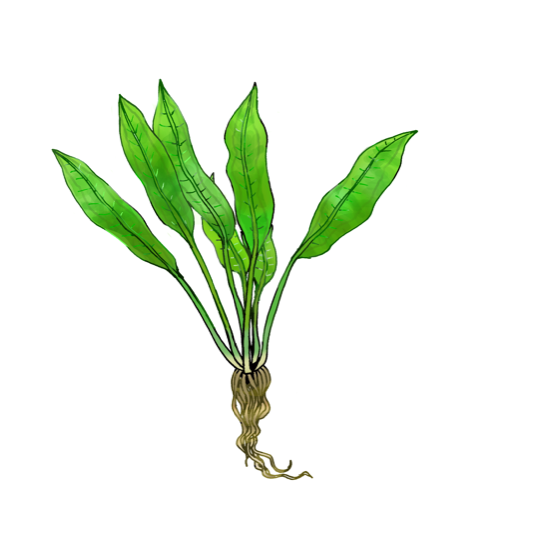 No. 8Amazon Sword — amazon sodo (アマゾンソード), Echinodorus sp., the classic rosette plant, where leaves fan straight up from the roots, and a common spawning site for fish. Beginner-friendly, but leaves can melt if conditions are off, especially just after planting. It does not attach, so plant it in the substrate, where its strong root system feeds it. Its leafy volume makes it a natural centerpiece. Midground to background · slow growth · no CO2 · plant in substrate · root feeder · pH 6–7.5 · ★☆☆☆☆.
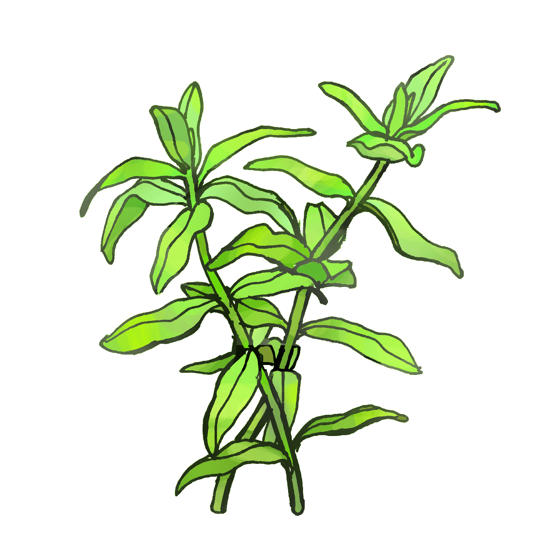 No. 9Hygrophila polysperma — haigurofira porisuperuma (ハイグロフィラ・ポリスペルマ), known in the trade as dwarf hygro. A famously tough, fast stem plant, and because it takes hard cutting well, it is a fine plant to practice trimming and shaping on before you graduate to fussier stems. Under strong light the leaves shift from green toward a reddish tone, so tune your lighting to the look you want. Grows without CO2. One US caveat: it is federally listed as a noxious weed and prohibited in several states, so confirm it is legal where you live before buying. Foreground to midground · fast growth · no CO2 · pH 5–7 · ★☆☆☆☆.
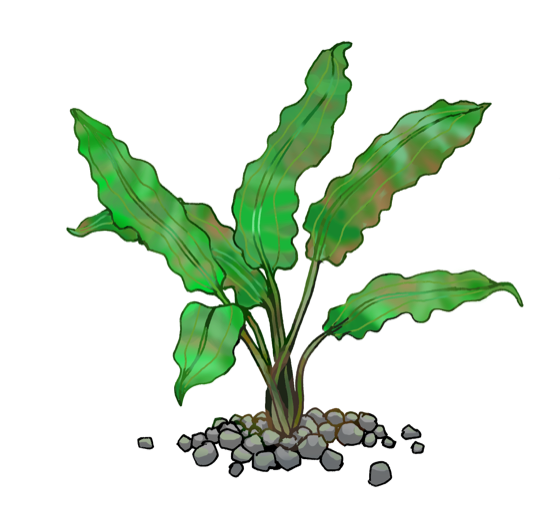 No. 10Cryptocoryne wendtii "Green" — kuriputokorine (クリプトコリネ), Cryptocoryne wendtii, one of the most common crypts in the hobby and an easy one: no CO2 needed and content in modest light. Under strong light the green leaves turn reddish-brown, so dial the light back if you want them green. Expect "crypt melt," where leaves and stems dissolve for a week or two after planting, then regrow once it settles, so do not pull it up in a panic. It roots deep, which makes it excellent midground bulk but a poor choice to move around. Foreground to midground · slow growth · no CO2 · low light OK · roots deep, avoid moving · pH 5–7 · ★★☆☆☆.
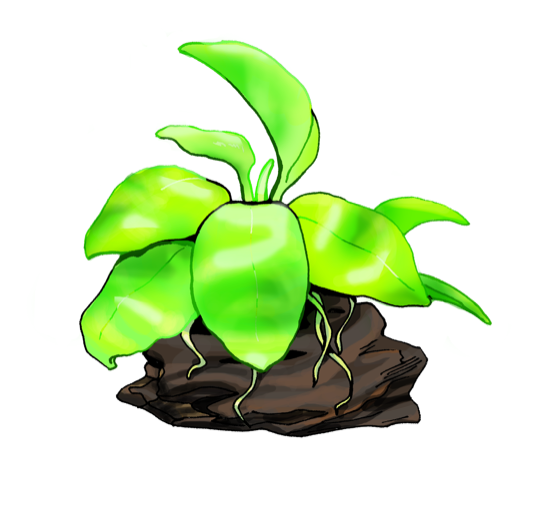 No. 11Anubias nana "Golden" — goruden nana (ゴールデンナナ), a small, bright-leaved form of Anubias nana, growing to about 1.5–3 in (4–8 cm). Like standard nana it wants no CO2 and grows in low light, but it grows slowly, so algae settles on its leaves easily; keep up with water changes and add algae-eating shrimp to help. Its round leaves and lighter color make it a nice accent, and its compact size suits nano tanks. Attach it to driftwood like any Anubias. Foreground to midground · slow growth · no CO2 · low light OK · attach to hardscape · pH 6–7.5 · ★★☆☆☆.
No. 12Ludwigia — rudowijia (ルドウィジア), Ludwigia repens, an inexpensive, sturdy stem plant kept in Japan for generations. It grows without CO2, but added fertilizer and CO2 bring out its best color and form. Under strong light the leaves swing from yellow-green toward red, and the leaves grow larger; keep the light lower to hold leaf size and color steady. It tolerates a wide pH range, which makes it an easy first red-tinged stem. Midground to background · slow growth · CO2 helpful · wide pH tolerance · pH 5–7 · ★★☆☆☆.
No. 13Brazilian Pennywort — amazon chidomegusa (アマゾンチドメグサ), Hydrocotyle leucocephala, sold in the US as Brazilian pennywort. A stem plant with round, coin-shaped leaves that catch the eye, so it is often used as a layout accent. Its soft leaves sit well with long-finned fish. It is a strong nutrient feeder, which helps water quality. Keep the light on the stronger side to hold good color; too little light and the lower leaves yellow and melt. It grows without CO2, but grows lusher with it. Foreground to midground · fast growth · no CO2 (lusher with) · pH 6–7.5 · ★☆☆☆☆.
The Step-Up Plants: Numbers 14 to 20
The last stretch is where the difficulty climbs. A few of these want CO2, strong light, or both, and the final plant, a carpeting glass, is a genuine intermediate project. We keep them on the list because the original does, and because they are worth growing toward.
No. 14Mini Mushroom — mini masshurumu (ミニマッシュルーム), Hydrocotyle sp., a little tougher for a beginner because it wants CO2 and a careful balance of light. Get the environment right, though, and it spreads vigorously. It needs little fertilizer but attracts algae, so cleanup shrimp are close to mandatory. Grown under strong light it stays short and works as a foreground plant; under weaker light the stems stretch tall. Its round, mushroom-like leaves are the draw. Foreground to midground · slow growth · CO2 needed · pH 5–7 · ★★★☆☆.
No. 15Water Wisteria — wota wisuteria (ウォーターウィステリア), Hygrophila difformis, sometimes sold under that scientific name. It grows without CO2, though added CO2 gives richer color. It is fast and can pass 16 in (40 cm), so it needs regular trimming, and it is a planted stem, not an epiphyte, so set it in the substrate. It even grows over plain aquarium gravel, which makes it an easy, big-impact background plant despite sitting late in the ranking. Midground to background · fast growth · no CO2 (richer with) · plant in substrate · pH 5–7 · ★☆☆☆☆.
No. 16Dwarf Hairgrass (Short) — shoto hea gurasu (ショートヘアーグラス), Eleocharis sp., the short-leaved hairgrass, typically 1–2.75 in (3–7 cm) depending on the batch. It spreads sideways by runners to build density, so it can carpet a foreground like a lawn. It is a step up for beginners, though, needing balanced light and fertilizer, and without CO2 it grows slowly and picks up algae, so run cleanup shrimp. One catch: big Amano shrimp can pull hairgrass out, so watch for that. Rewarding when it fills in as a grassy green carpet. Foreground · fast growth · CO2 helpful · spreads by runners · pH 5–7 · ★★☆☆☆.
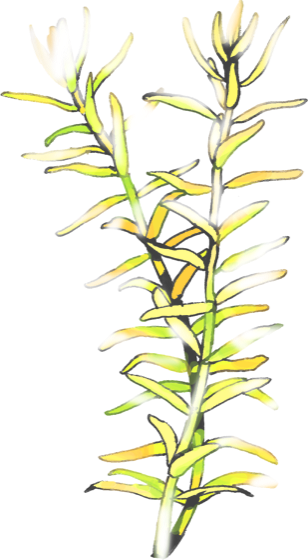 No. 17Green Rotala — gurin rotara (グリーンロタラ), Rotala rotundifolia "Green," a staple of aquascaping. It is easy to grow and cheap, but holding it in good shape long-term is the hard part. It handles trimming well but dislikes swings in water quality, so avoid sudden shifts in chemistry or temperature at water changes to keep it looking its best. It grows fast and feeds heavily, so it needs regular fertilizer; run short of nutrients or hit it with fouled water and the tips shrink and the whole plant miniaturizes. Its fine leaves build dense, bright-green bushes. Foreground to background · fast growth · no CO2 (faster with) · needs regular fertilizer · pH 5–7 · ★★★☆☆.
No. 18Cabomba — kabonba (カボンバ), Cabomba caroliniana, often sold beside goldfish and medaka plants. Its finely divided, fan-like leaves are its whole appeal, and it is popular purely for looks. It resembles hornwort but prefers harder, higher-pH water, which makes it the tougher of the two to grow, so it is a bit much for a raw beginner. To grow it dense and beautiful, add CO2. A US caution: Cabomba caroliniana is a prohibited invasive in some states, so check locally and never release it. Midground to background · fast growth · CO2 recommended · pH 6–7.5 · ★★★☆☆.
No. 19Riccia — rishia (リシア), Riccia fluitans, a liverwort about 0.4 in (1 cm) tall, so it is used as a foreground. In nature it floats, but in the aquarium you pin it underwater with a purpose-made riccia net or mesh. It is not especially hard, but two things trip people up: it needs strong plant lighting and CO2, and as it grows it gets more buoyant and wants to float back up, so trim it regularly to keep it down. Well grown, it pearls beautifully with oxygen bubbles. Foreground · fast growth · CO2 needed · strong light · tie down with mesh · pH 5–7 · ★★★☆☆.
No. 20Cuba Pearl Grass — kyuba paru gurasu (キューバパールグラス), Hemianthus callitrichoides "Cuba," a tiny carpeting plant with leaves just 0.08–0.12 in (2–3 mm) across, used as a foreground carpet. Experienced aquascapers call it fairly easy, but for a first planted tank it is the hardest plant here: it wants several strong plant lights, careful CO2, and steady fertilizer. Get it right and it rewards you with glossy leaves and streams of pearling bubbles. Advanced keepers even use it in bottle aquariums, and harder water makes it easier to propagate. Foreground carpet · slow growth · CO2 needed · strong light · pH 5.5–7 · ★★★★☆.
Quick-Reference Table: All 20 Beginner Plants
Placement, growth speed, CO2 need, difficulty and tolerated pH for each plant, keeping the original ranking. Difficulty runs from ★☆☆☆☆ (easiest) to ★★★★☆.
| # | Plant | Placement | Growth | CO2 | pH | Difficulty |
|---|---|---|---|---|---|---|
| 1 | Anubias nana | Midground | Slow | No | 5–7.5 | ★☆☆☆☆ |
| 2 | Hornwort | Mid / floating | Fast | No | 5–7.5 | ★☆☆☆☆ |
| 3 | Java Moss | Fore–mid | Slow | No | 5–7 | ★☆☆☆☆ |
| 4 | Java Fern | Mid–back | Slow | No | 5–7.5 | ★☆☆☆☆ |
| 5 | Anacharis | Mid–back | Fast | No | 6–7.5 | ★☆☆☆☆ |
| 6 | Vallisneria spiralis | Background | Fast | No | 6–7.5 | ★☆☆☆☆ |
| 7 | Screw Vallisneria | Mid–back | Fast | No (twist w/) | 5–7.5 | ★☆☆☆☆ |
| 8 | Amazon Sword | Mid–back | Slow | No | 6–7.5 | ★☆☆☆☆ |
| 9 | Hygrophila polysperma | Fore–mid | Fast | No | 5–7 | ★☆☆☆☆ |
| 10 | Cryptocoryne wendtii green | Fore–mid | Slow | No | 5–7 | ★★☆☆☆ |
| 11 | Anubias nana golden | Fore–mid | Slow | No | 6–7.5 | ★★☆☆☆ |
| 12 | Ludwigia | Mid–back | Slow | Helpful | 5–7 | ★★☆☆☆ |
| 13 | Brazilian pennywort | Fore–mid | Fast | No | 6–7.5 | ★☆☆☆☆ |
| 14 | Mini Mushroom | Fore–mid | Slow | Yes | 5–7 | ★★★☆☆ |
| 15 | Water Wisteria | Mid–back | Fast | No | 5–7 | ★☆☆☆☆ |
| 16 | Dwarf Hairgrass (short) | Foreground | Fast | Helpful | 5–7 | ★★☆☆☆ |
| 17 | Green Rotala | Fore–back | Fast | No (faster w/) | 5–7 | ★★★☆☆ |
| 18 | Cabomba | Mid–back | Fast | Recommended | 6–7.5 | ★★★☆☆ |
| 19 | Riccia | Foreground | Fast | Yes | 5–7 | ★★★☆☆ |
| 20 | Cuba Pearl Grass | Foreground carpet | Slow | Yes | 5.5–7 | ★★★★☆ |
Figures adapt the original Japanese article's data, which reflects typical shop conditions; individual plants and suppliers vary. Several plants on this list are regulated invasive species in parts of the US, as noted above.
Where to Start
If you want the shortest path to a green tank, plant Anubias, Java fern and hornwort and stop there for a while. All three grow with an ordinary light and no CO2, so you can learn how plants behave, how they trim, and how your particular tank responds before you spend money on gas and high-output lighting. Add a rooted plant like Amazon sword or a crypt once those settle, and only reach for the carpeting plants at the bottom of the list, Cuba pearl grass and riccia, when you are ready to run CO2. A decent adjustable LED helps every plant here, and lets you dial the light up as you graduate to the demanding ones.
FAQ
- Q. Which aquarium plants are easiest for a complete beginner?
- A. Anubias nana, hornwort and Anacharis are the classic easy three, with Java fern and Java moss close behind. All grow without a special plant light and without added fertilizer, and hornwort and Anacharis grow fast enough to help stabilize a new tank's water. Start with any of them.
- Q. Do I really need CO2 to grow aquarium plants?
- A. No. Fifteen of the twenty plants here grow with just a standard aquarium light and no injected CO2. CO2 makes many plants greener, denser and faster, and a few of the demanding ones near the bottom of the list genuinely need it, but a first planted tank does not. Skip CO2 until you have the basics down.
- Q. Which plants should a beginner avoid?
- A. Plants that demand CO2 and strong light to grow or hold color: Echinodorus (large sword species), Glossostigma and most of the red carpeting plants. They tend to be pricier and need bright, deep-reaching light, so they are frustrating without the right gear. On this list, Cuba pearl grass, riccia and mini mushroom are the ones to leave for later.
- Q. What should a beginner plant cost?
- A. In the US, prices differ from Japan, so we describe rather than convert. The easy plants here, Anubias, Java fern, hornwort, Anacharis, crypts, are all inexpensive and widely stocked. The costlier plants tend to be the ones that also need strong lighting and CO2, which is a fair signal that they are not beginner picks yet.
- Q. What are the main things to get right when growing plants?
- A. Three things: temperature and light, so the plant's basic needs are met; compatibility with your fish, since some fish nibble or uproot plants; and water chemistry, topped up with fertilizer or supplements where the tank runs short. If a plant needs CO2, treat that as a signal to leave it for later while you are still setting up.